

Asana self hosted is not something Asana sells — not in beta, not on an enterprise tier, not with a workaround. Asana is a closed, multi-tenant SaaS product with zero on-premises option, regardless of plan. The real question behind that search is which open-source tool gets you Asana's board-and-list workflow without a cloud subscription, and the short, honest answer is: OpenProject, Vikunja, and a couple of narrower kanban tools, each with real trade-offs.
TL;DR:
- Asana has never offered a self-hosted or on-premises edition — it's cloud-only SaaS on every plan, including Enterprise.
- OpenProject and Vikunja are the two most-deployed open-source alternatives, both free to self-host.
- Focalboard and Taiga cover narrower kanban or agile use cases, each with its own maintenance trade-off.
- Self-hosting trades a software bill for a server, backup, and update bill — budget for both before you migrate.
- For most small teams, the per-seat cost is the actual problem, not where the software lives — flat-fee tools solve that directly.
Table of Contents
- Why "Asana Self Hosted" Isn't a Setting You Can Turn On
- The Open Source Boards That Actually Live on Your Server
- OpenProject vs. Vikunja: The Two Everyone Actually Deploys
- Focalboard, Taiga, and the Narrower Tools Worth Knowing
- What Self-Hosting Actually Costs You That the Comparison Charts Skip
- The Per-Seat Pricing Trap You're Actually Trying to Escape
- Get Asana's Board, Table, and Calendar Views Without the Seat Count
- Frequently Asked Questions
- Sources
Why "Asana Self Hosted" Isn't a Setting You Can Turn On
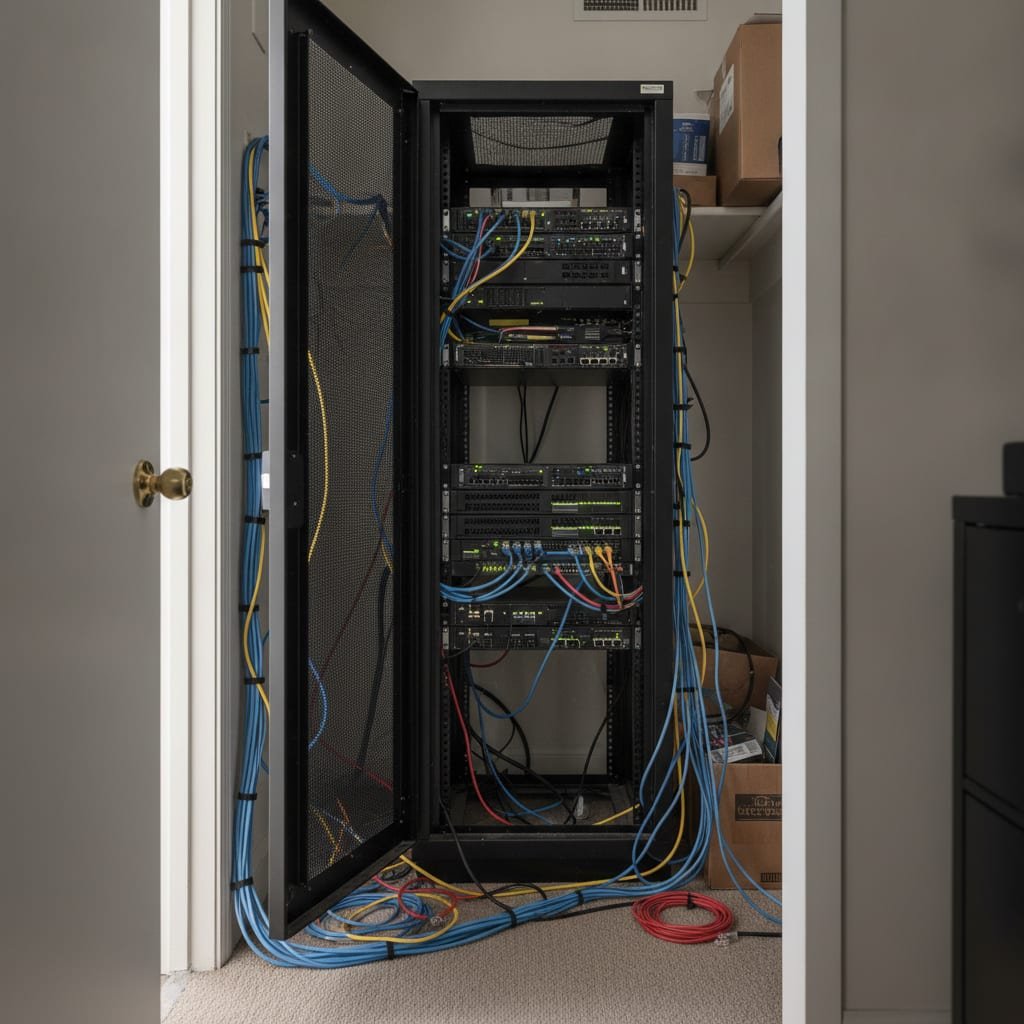
Asana's own help documentation describes it as a hosted, multi-tenant web application — you log in through a browser, your data lives on Asana's infrastructure, and there is no package, Docker image, or on-premises license to buy at any tier, including Enterprise+. That's not a gap in the product lineup; it's the architecture. Asana was built as SaaS from day one, the same way Basecamp was, and for the same reason: a single shared codebase is cheaper to run and easier to update than a thousand customer-managed installs. If you want the deeper version of that argument, Basecamp Self Hosted: Why It Doesn't Exist, and What Does walks through why an entire generation of project tools made the same bet.
That means every search result promising "Asana self hosted" is really answering a different question: what tool, run on your own server, gets closest to what Asana does? That's a fair question, and it has real answers — just not the one people type into Google expecting to find.
The Open Source Boards That Actually Live on Your Server
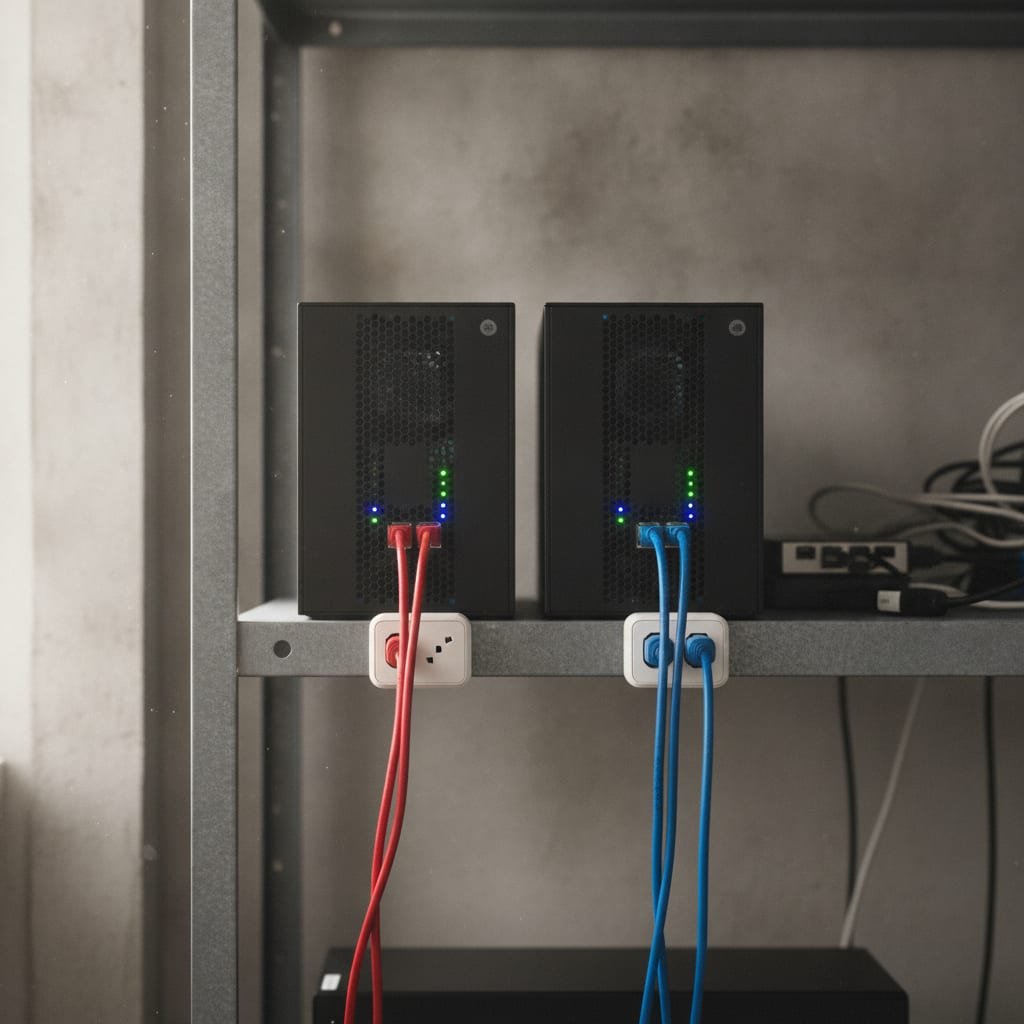
Two tools show up in almost every serious comparison, and for good reason: they're the only ones with the feature depth, active development, and community size to be a real daily driver for a team that's used to Asana.
- OpenProject. A Ruby on Rails application with a free, self-hosted Community edition under GPLv3. It covers Gantt charts, work packages, boards, and team planning — closer to Asana's structured, hierarchical project model than almost anything else on this list.
- Vikunja. A lighter, AGPLv3-licensed tool written in Go, with list, kanban, table, and Gantt-lite views. It's the one most often recommended in threads in the r/selfhosted community for teams that find OpenProject heavier than they need.
- Focalboard. A kanban-first, MIT-licensed board tool originally built by Mattermost. It covers Trello-style boards well but has no native dependency tracking or Gantt view, and its development pace has slowed compared to the two above.
- Taiga. An AGPLv3 tool aimed squarely at agile software teams — sprints, backlogs, burndown charts. Strong fit if your team already thinks in scrum ceremonies; a poor fit if it doesn't.
| Tool | License | Self-hosted cost | Best fit | Main catch |
|---|---|---|---|---|
| OpenProject | GPLv3 (Community) | Free | Teams wanting Gantt charts and portfolios | Baselines, priority support locked behind paid Enterprise tier |
| Vikunja | AGPLv3 | Free | Teams wanting simple lists, kanban, light Gantt | Smaller plugin ecosystem than Asana |
| Focalboard | MIT | Free | Pure kanban boards | No dependency tracking; slower recent development |
| Taiga | AGPLv3 | Free | Agile/scrum software teams | Steep setup; built for software sprints, not trades jobs |
Asana has never shipped an on-premises or self-hosted edition, not even on its highest Enterprise+ tier.
OpenProject vs. Vikunja: The Two Everyone Actually Deploys

If you're choosing between the two real contenders, the decision usually comes down to how much structure you want versus how much server you want to run. OpenProject's official installation guide calls for a Postgres database, a memcached layer, and enough RAM to run a full Rails application comfortably — reasonable for a team with an IT person, heavier than a solo trades business wants to manage. Vikunja ships as a single compiled binary that can run on a modest VPS with SQLite, which is why it's the more common recommendation for a five-to-fifteen-person team that just wants boards and due dates without a dedicated server admin.
The trade-off runs the other way on features. OpenProject gives you true Gantt charts, baselines, and project portfolios — useful if you manage multi-phase work with hard dependencies across departments. Vikunja's Gantt view is simpler and its dependency handling is manual: you link tasks yourself rather than having the system flag what's actually blocking what. Neither tool auto-detects a bottleneck the way a dedicated scheduling engine does; you're the one keeping the chain of dependencies current, which matters more than it sounds once a project has thirty interlocking tasks. For more on what separates a tool that just displays tasks from one that actually understands project structure, see Self Hosted Project Management: What Actually Matters.
Pro Tip: Before you commit to either tool, log how many hours your team spends this week on password resets, "who's blocked on what" status meetings, and chasing down task updates by email. Multiply that by your loaded labor cost. That number is often larger than any server bill you'll pay, and it's the real test of whether "free and open source" is actually free for your team.
Focalboard, Taiga, and the Narrower Tools Worth Knowing
Focalboard is worth mentioning because it answers a narrower, more common question: "I just want a self-hosted Trello alternative, not a full project management system." If kanban cards with checklists and due dates cover 90% of your workflow, it's lighter to run than OpenProject and easier to learn than Vikunja's multiple views. Where it falls short is anything involving task dependencies or cross-project reporting — there's no mechanism for the system to tell you that Job B can't start until Job A's materials arrive.
Taiga sits at the opposite end. It's built around sprints, story points, and burndown charts — the vocabulary of software teams running scrum, not the vocabulary of a trades crew scheduling site visits. If your team already runs two-week sprints, it's a genuinely good open-source fit. If it doesn't, adopting Taiga means adopting an entire planning methodology just to get a shared task board, which is a heavy price for something a simpler tool solves directly.
What Self-Hosting Actually Costs You That the Comparison Charts Skip
Every list of "free, open-source Asana alternatives" leaves out the part where free software still needs somewhere to run. You're signing up for a VPS or home server, a database to back up, TLS certificates to renew, and version upgrades to apply before a security patch window closes. None of that is difficult in isolation, but it's ongoing, and it's work that falls on whoever in your office is "good with computers" — which on a small team is often the same person also doing payroll.
A $5-a-month VPS and a Saturday afternoon fixing a broken Docker update are both real costs. Only one of them shows up on a software budget line.
This isn't an argument against self-hosting — it's an argument for being honest about where the cost moves, not whether it disappears. Self-Hosted Task Management: What It Buys You, What It Costs breaks down that trade in more detail, including the maintenance math most comparison pages skip entirely.
The Per-Seat Pricing Trap You're Actually Trying to Escape
Here's the thing almost nobody searching "Asana self hosted" says out loud: the problem usually isn't where the software lives. It's that Asana, Trello, and monday.com all charge per user per month, and that bill scales exactly the way your team does — which is bad news if you're a trades business that adds three seasonal subcontractors every spring and drops them every fall. A twelve-person office paying $10 to $25 a seat per month is looking at $1,440 to $3,600 a year just to keep everyone logged in, before any add-ons.
Self-hosting an open-source tool solves the data-location problem. It does not automatically solve the per-seat problem — OpenProject and Vikunja are free regardless of headcount, which is genuinely the better answer if unlimited users at zero license cost is what you're after. But it does mean trading a monthly bill for an ongoing maintenance obligation, which is a different trade, not a smaller one. For a closer look at what actually needs tracking once you have real jobs and real crews moving through a system, see Project Management Tasks: What They Are and Who Owns Them.
Get Asana's Board, Table, and Calendar Views Without the Seat Count
ReplaProject is a one-time, $399 purchase — not a subscription, not a per-seat fee — that gives you board, table, and calendar views of every job, email-to-task intake so a forwarded email becomes a task automatically, a public intake form for customer requests, and automatic dependency detection that flags what's actually holding a job up without you drawing the connections by hand. Add your whole crew, your subs, and your office staff for the same flat price. The honest caveat: it isn't open source like OpenProject or Vikunja, so if free-as-in-code and community-audited software is the priority, those are the better fit — check the spec sheet, including ours, before you decide.
Frequently Asked Questions
Does Asana offer any self-hosted or on-premises version?
No. Asana's own product documentation describes it as a hosted, multi-tenant cloud application with no on-premises or self-managed deployment, including on its highest-priced Enterprise+ tier. There is no package, license key, or Docker image to install.
Is Vikunja actually free to self-host?
Yes. Vikunja is released under the AGPLv3 license and can be self-hosted on your own server at no licensing cost; you only pay for the infrastructure it runs on, such as a VPS.
Is OpenProject better than Asana for a small business?
It depends on what you need. OpenProject's free Community edition matches or beats Asana on Gantt charts and project hierarchy, but it requires more server resources to run and its enterprise-grade features, like baselines and priority support, sit behind a paid tier.
What's the easiest open-source Trello alternative to self-host?
Focalboard is generally the lightest option for teams that mainly want kanban cards with due dates and checklists, without needing dependency tracking or Gantt views.
Can I move my existing Asana data into a self-hosted tool?
Most self-hosted tools, including OpenProject and Vikunja, support CSV import, which covers task names, due dates, and assignees reasonably well, though custom fields, comments, and attachments often need to be moved manually or rebuilt.
Sources
- Asana Guide | Asana
- OpenProject Community Edition | OpenProject
- Vikunja Documentation | Vikunja
- Focalboard | GitHub
- r/selfhosted community | Reddit